Paving Solutions: Improve Your Property With Professional Paving Services
Professional surfacing services offer major advantages for property enhancement. They not only enhance aesthetics but also increase functionality. Choosing the right materials, such as bitumen or interlocking pavers, can guarantee durability and appearance. The installation process is critical for achieving lasting results. Yet, many homeowners miss essential maintenance practices that can extend the life of their investment. Understanding these elements is essential for making informed decisions about outdoor spaces. What comes next may surprise you.
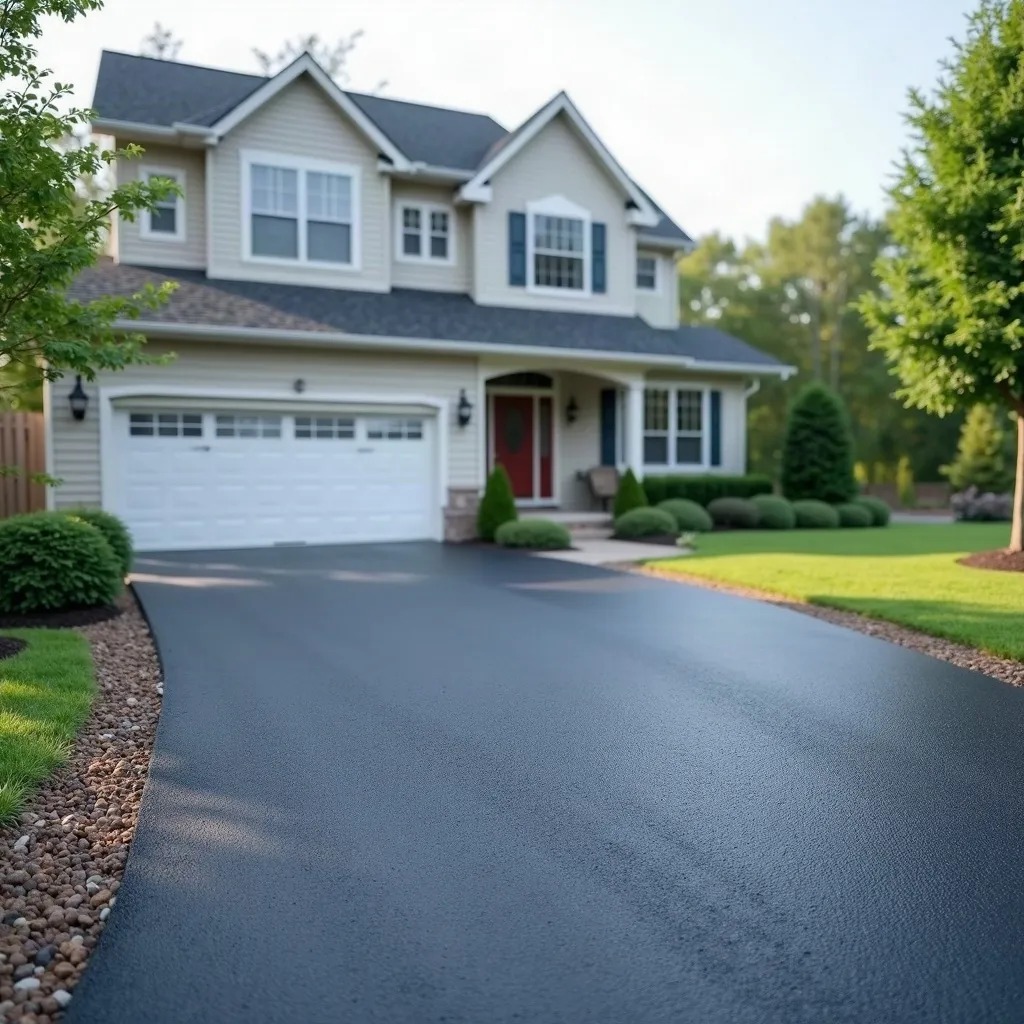
Professional Paving Solutions Boost Your Home Appeal
Professional pavement services enhance outdoor spaces, boosting both utility and aesthetics. By implementing expert methods and cutting-edge machinery, these services ensure the thorough preparation and placement of different paving types. This meticulous attention results in robust, enduring outcomes that resist wear and tear while keeping visual appeal.
Additionally, quality pavement installation elevates property value, constructing welcoming walkways, parking areas, and patios that attract potential buyers. A well-maintained pavement strengthens safety by decreasing dangers like uneven ground and abundant dirt, adding to a more delightful outdoor atmosphere.
Moreover, veteran consultants can develop individualized concepts fashioned to client preferences, confirming that all projects corresponds with the property's unique character.
Select the Best Laying Materials for Your Project
What approach should homeowners take when selecting the best paving materials for their projects? The right material selection is important for both functionality and aesthetics.
First, building owners should reflect on the specific use of the paved region. For driveways, durable materials like asphalt or concrete are often preferred due to their durability and extended lifespan. In contrast, for patios or walkways, possibilities including pavers or bricks can offer artistic value and multipurpose capability.
Next, climate plays a major factor. Zones with heavy rainfall may benefit from breathable surfaces that permit for superior water management, reducing the risk of inundation.
Furthermore, upkeep needs should be evaluated; some materials require more maintenance than others.
Ultimately, financial restrictions will determine the selection. While premium materials may demand a larger upfront investment, they frequently generate extended financial advantages through durability and decreased maintenance costs.
As a result, thorough analysis of these factors will assist property owners in making informed choices.
Asphalt Paving Rewards
Asphalt paving represents a leading option for homeowners seeking long-lasting and visit resource cost-effective alternatives for their pathways and driveways. One of its main advantages is its durability; asphalt can endure heavy traffic and severe weather conditions, making it perfect for residential use.
In addition, asphalt is reasonably economical relative to other paving materials, allowing for homeowners to achieve a superior quality appearance without excessive spending. The installation process is also expedient, regularly wrapped up within a day, lessening disruption to daily life.
Furthermore, asphalt is easy to maintain, requiring only periodic sealing to prolong its lifespan. These benefits make asphalt paving a sensible and wise investment for improving property appearance and performance.
Interlocking Paver Benefits
Homeowners looking at paving choices will find that interlocking pavers deliver notable advantages that boost both visual appeal and practical use.
These flexible pavers come in different shapes, colors, and textures, facilitating creative design possibilities that can enhance any property style. Additionally, interlocking pavers ensure exceptional durability, resisting cracking and shifting, which is particularly advantageous in regions with fluctuating temperatures.
Furthermore, their distinctive appearance supports efficient moisture removal, decreasing the danger of inundation and degradation. This permeability also enhances environmental stewardship by facilitating rainwater to replenish groundwater supplies.
Finally, the simplicity of setup and care makes interlocking pavers a sensible option, ensuring that homeowners can enjoy their beautiful surface without demanding maintenance.
Initial Site Assessment
What components impact the first site assessment for paving installation? Several important considerations come into play during this essential stage. First, the topography of the land is studied to detect any slopes or drainage issues that could influence the paving process. Next, the existing soil conditions are evaluated, as different soil types can affect stability and durability. Additionally, site accessibility is considered to figure out how equipment and materials will be transported. Local regulations and zoning laws are also examined to ensure compliance. Finally, existing structures and vegetation are inspected to plan for any necessary removal or protection. This thorough evaluation establishes the basis for a successful paving project, making sure that all potential challenges are managed from the outset.
Installation Steps Clarified
After a detailed site inspection has been completed, the paving laying operation can commence.
The opening phase requires area preparation, where any present materials are extracted and the ground is evened. Subsequently, a bottom layer is set up, generally made up of gravel or broken stone, which furnishes stability and drainage.
Then, the selected paving material—such as asphalt or concrete—is set in place. This phase requires attentive execution to confirm a uniform surface and correct alignment.
After the pavement layer is put in, compaction is performed to strengthen durability. Finally, curing begins, permitting the material to properly harden.
Throughout the procedure, effective communication with the property owner is essential to resolve any issues and assure satisfaction with the final result.
Surface Upkeep Tips for Long-Lasting Condition
Despite asphalt areas being designed for durability, regular maintenance is crucial to guarantee their extended life. Regular checks must be conducted to detect cracks, potholes, or signs of wear. Timely fixes can prevent additional deterioration and extend the lifespan of the road surface.
In addition, ensuring the surface clean is vital; debris, leaf litter, and dirt can trap moisture, resulting in deterioration. Regular brushing and occasional power washing aid sustain a pristine appearance and effectiveness.
Applying sealant every few years can guard the surface from weathering and UV damage, while also strengthening its decorative charm.
Ultimately, resolving drainage problems is significant. Quality drainage systems eliminate water accumulation, which can erode the paving material over time.
How to Locate a Credible Paving Contractor
Finding a trustworthy paving contractor is an crucial step for property owners seeking to put in or upgrade their paving surfaces. To start, individuals should obtain recommendations from friends, family, or local businesses that have lately undertaken paving projects. Online reviews and testimonials can also offer insights into a contractor's reputation.
Once potential professionals are identified, it is important to verify their credentials, encompassing licenses and insurance. A professional specialist should offer a detailed written bid that details the scope of work, materials, and timeline.
Additionally, collecting references from previous clients can facilitate assessing the contractor's credibility and quality of work. It's furthermore advisable to ask about warranties on workmanship and materials.
Ultimately, enabling transparent conversation and openness during beginning meetings can nurture a trustworthy partnership, producing a accomplished paving work that meets expectations.
Common Questions Posed Often
What Timeframe Should You Expect for a Standard Paving Project to Complete?
A typical asphalt project typically takes 1-3 days to finish, based on variables such as the project's size, complexity, climate, and preparation requirements. Effective planning can assist in streamline the work efficiently.
Which Clearances Are Mandatory for Paving Construction?
Generally, pavement installation needs authorizations including regional building permits, zoning approvals, and environmental evaluations. Requirements differ depending on location, so consulting community officials assures conformity with necessary legal requirements for the project.
Can Asphalt Work Be Completed in Winter or Rainy Seasons?
Paving can be difficult during winter or rainy seasons due to temperature and moisture concerns. Cold weather can hinder proper curing, while excessive rain may cause pavement problems, leading to potential sustained deterioration. Thoughtful preparation is essential.
What Options Should I Apply if My Asphalt Fractures?
When pavement shows fractures, the initial action is to evaluate the damage. Following that, clean the area completely, fill the fissures with appropriate filler, and think about professional repair to avoid further deterioration and preserve safety.
How do I establish if my paving contractor carries the necessary license?
To establish whether a paving contractor is licensed, you should validate credentials via local licensing boards, obtain a copy of their license, and confirm insurance protection, ensuring compliance with industry regulations and safety standards.